Need digital evidence for a legal case? From divorce proceedings to corporate litigation, digital forensics has become essential in modern legal disputes. This guide covers how ethical hackers and forensic experts gather court-admissible digital evidence, what types of cases benefit from forensic analysis, and how to choose the right expert for your legal needs.
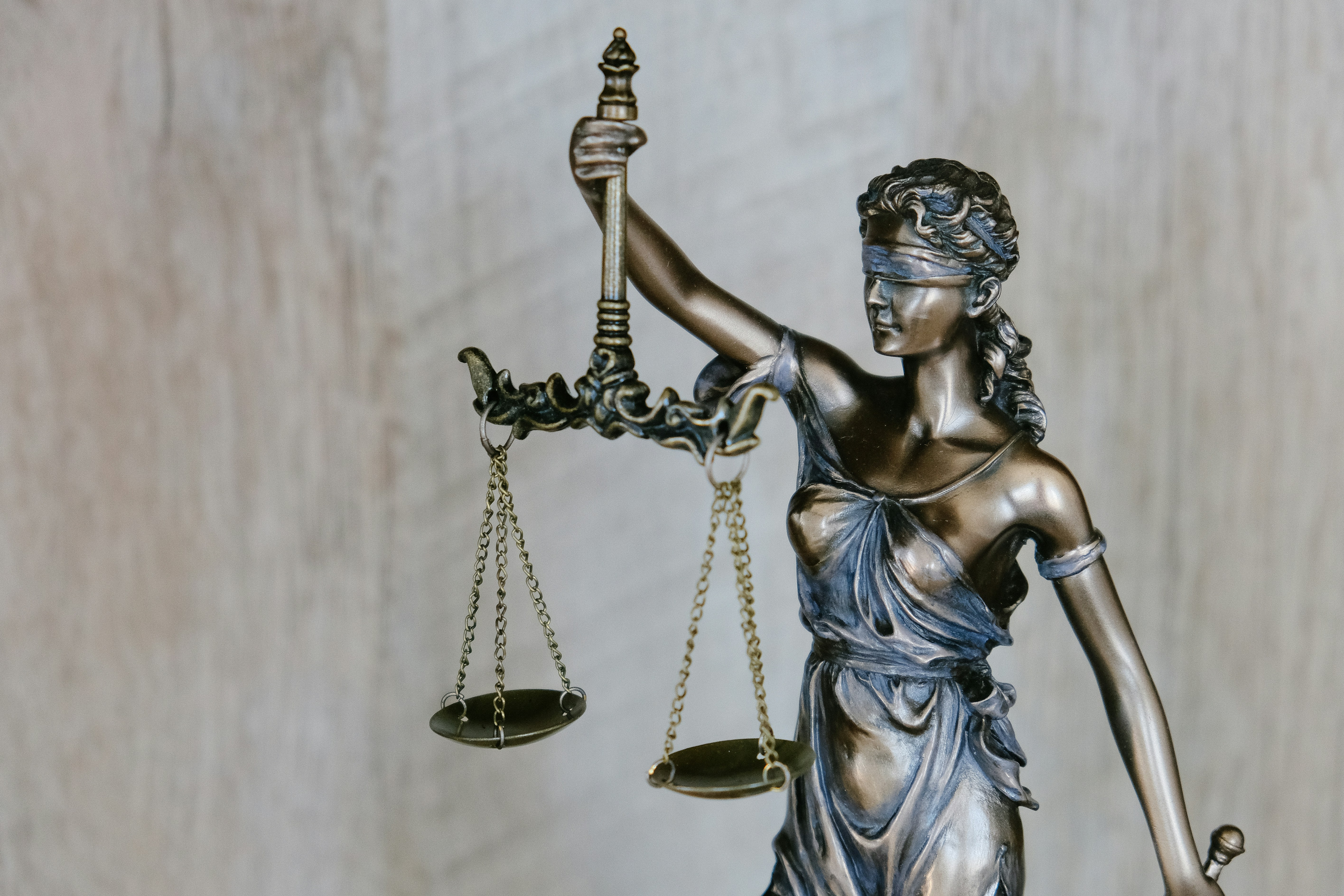
When Digital Forensics is Needed for Legal Cases
Digital evidence can be decisive in many types of legal proceedings:
Family Law
- Divorce asset discovery (hidden accounts)
- Custody disputes (fitness evidence)
- Infidelity documentation
- Digital communication as evidence
- Parental alienation proof
Employment Law
- Wrongful termination evidence
- Harassment documentation
- Trade secret theft investigation
- Employee misconduct proof
- Discrimination case evidence
Civil Litigation
- Contract dispute evidence
- Intellectual property theft
- Fraud investigation
- Defamation case proof
- Insurance claim verification
Criminal Defense/Prosecution
- Alibi establishment through digital records
- Timeline reconstruction
- Evidence authentication/refutation
- Digital stalking/harassment evidence
- Financial crime investigation
Expert Tip:
Types of Digital Evidence
Forensic experts can recover and analyze various types of digital evidence:
Recoverable Evidence Types:
- Deleted files: Documents, photos, and data deleted from devices can often be recovered
- Communications: Emails, texts, chat logs, social media messages, and VoIP records
- Location data: GPS records, cell tower logs, and location history from apps
- Financial records: Bank transactions, cryptocurrency wallets, and payment app history
- Browser history: Websites visited, search queries, and online activities
- Metadata: Hidden information in documents showing creation dates, authors, and edits
- Cloud data: Content stored in iCloud, Google Drive, Dropbox, and other services
- Social media: Posts, messages, connections, and deleted content
The Digital Forensics Process
1. Legal Consultation & Scope Definition
Working with your attorney to understand what evidence is needed, what devices/accounts are involved, and ensuring all collection is legally authorized. Unauthorized access can invalidate evidence.
2. Evidence Preservation
Creating forensic images of devices and accounts that preserve all data, including deleted content. Strict chain of custody documentation begins here and continues throughout.
3. Data Recovery & Extraction
Using specialized tools to extract all available data, including deleted files, hidden partitions, encrypted content, and metadata. This may include recovering data from damaged devices.
4. Analysis & Investigation
Examining extracted data to find relevant evidence. This includes timeline reconstruction, communication analysis, and identifying patterns or anomalies relevant to the case.
5. Report Generation
Creating detailed, court-ready reports that explain findings in clear terms, document methodology, and meet legal standards for expert testimony.
6. Expert Testimony (if needed)
Providing sworn testimony in depositions or trial to explain findings, defend methodology, and withstand cross-examination.
Choosing a Forensic Expert for Legal Cases
Verify Credentials
Look for certifications like EnCE (EnCase Certified Examiner), CCE (Certified Computer Examiner), GCFE (GIAC Certified Forensic Examiner), or CFCE (Certified Forensic Computer Examiner).
Court Experience
Ask about testimony experience. How many times have they testified? Have their findings been challenged? An expert who can withstand cross-examination is invaluable.
Methodology Documentation
Professional experts follow documented, repeatable procedures. Ask about their methodology and whether it follows industry standards like NIST guidelines.
Insurance & Liability
Professional forensic firms carry errors and omissions insurance. This protects you if something goes wrong and demonstrates professional standards.
Attorney References
Ask for references from attorneys they've worked with. A good forensic expert will have established relationships with legal professionals.
Clear Communication
Your expert must explain technical findings clearly to judges and juries. Assess their ability to communicate complex concepts in understandable terms.
Cost of Legal Digital Forensics
Forensic investigation costs depend on scope and complexity:
Single Device Analysis
$1,500 - $5,000
- Phone or computer forensics
- Data recovery
- Summary report
- Chain of custody documentation
Multi-Device Investigation
$5,000 - $20,000
- Multiple devices + cloud accounts
- Comprehensive analysis
- Detailed court-ready report
- Deposition preparation
Complex Litigation Support
$20,000+
- Enterprise data volumes
- eDiscovery support
- Expert testimony
- Ongoing case support
Working With Your Attorney
Digital forensic experts work best as part of your legal team:
Best Practices:
- Engage through attorney: Having your attorney retain the forensic expert can extend attorney-client privilege to communications
- Early involvement: Bring in forensics early to preserve evidence before it's altered or destroyed
- Clear objectives: Define what questions the investigation needs to answer
- Manage expectations: Not all evidence can be recovered; understand limitations upfront
- Prepare for opposition: Expect opposing counsel to challenge findings; ensure methodology is defensible
Conclusion
Digital forensics has become indispensable in modern legal proceedings. Whether you're pursuing a divorce, defending against criminal charges, or litigating a business dispute, properly collected and analyzed digital evidence can be the deciding factor.
The key is engaging qualified forensic experts early, ensuring evidence is properly preserved, and working closely with your legal team to present findings effectively. For more information on our digital forensics services, or to learn about hiring ethical hackers, explore our resources.
Need Digital Evidence for Your Legal Case?
Our network of certified forensic examiners provides court-ready digital evidence collection and analysis. All investigations follow strict chain of custody procedures and meet legal standards for admissibility.
Request Forensic ConsultationSphnix Monitoring Dashboard
Track messages, location, social media and activity signals with an authorized monitoring dashboard.
Try Sphnix Now →Related Sphnix Features:
Need Professional Help?
Hire verified ethical hackers for authorized recovery, security testing and incident support.
Hire a Hacker →Professional Services
Explore cybersecurity services for audits, recovery, forensics and defensive hardening.
View Services →Questions? Our experts are ready to help.
Contact Us for Free Consultation →Frequently Asked Questions
Yes, when properly collected with chain of custody documentation, forensically sound methods, and qualified expert testimony.
Often yes. Data remains on storage devices until overwritten. Success depends on time since deletion and subsequent device usage.
Single device analysis takes 1-2 weeks. Complex multi-device investigations may take 4-8 weeks.
Yes. Qualified experts using industry-standard procedures produce findings that withstand challenge.
For anything beyond basic documents, a forensic expert ensures proper preservation and provides expert testimony.