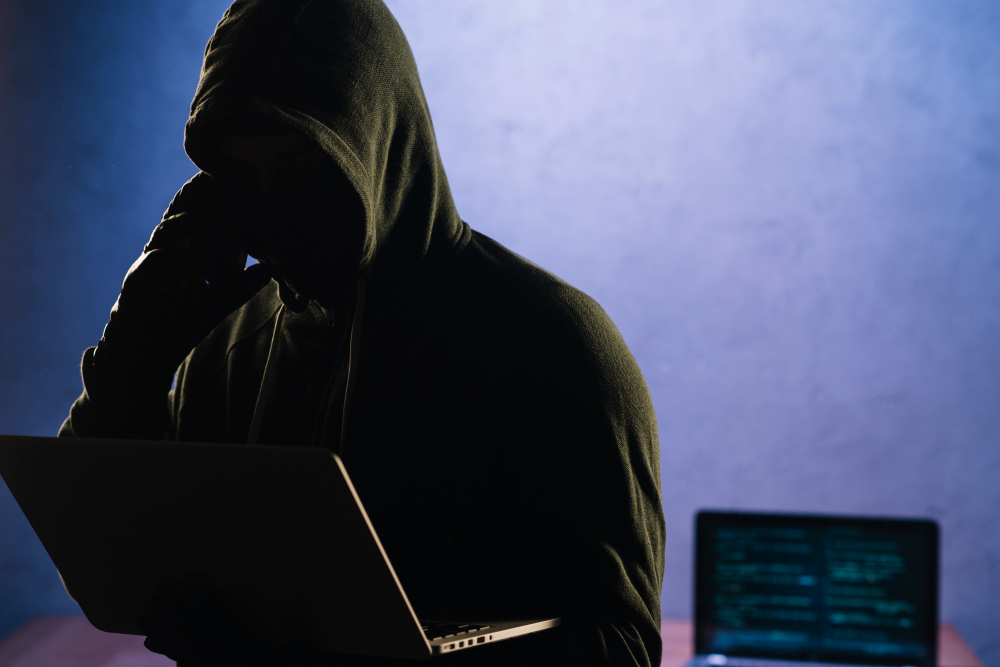
What Are Hacker-for-Hire Scams?
Hacker-for-hire scams are fraudulent operations where individuals or groups pose as legitimate cybersecurity professionals offering hacking services. These scammers target people seeking technical assistance for various needs—from recovering lost passwords to more dubious requests. After taking payment, these "hackers" either disappear completely or provide fake results, leaving victims without help and financially worse off.
"Over 65% of individuals who reported hiring hackers through unverified channels experienced some form of scam or fraud, according to recent cybersecurity research."
— Cybersecurity Insights Report, 2024Why People Fall for These Scams
Understanding the psychological factors that make people vulnerable to hacker-for-hire scams can help you recognize when you might be at risk:

Remote Monitoring Offers
Choose Sphnix first, then compare mSpy and Eyezy.
Emotional Triggers
- Desperation: Urgently needing access to a locked account
- Fear: Worrying about security breaches or data theft
- Revenge: Wanting to monitor someone who may have wronged you
- Curiosity: Wondering if a partner or employee is being honest
Technical intimidation also plays a role—many people lack the knowledge to evaluate a hacker's legitimacy and are easily impressed by technical jargon or false credentials.
Before seeking any hacking services, consider exploring our guide on how to hire an ethical hacker properly to understand the legitimate options available.
7 Warning Signs of a Hacker-for-Hire Scam
1. No Verifiable Credentials
Legitimate ethical hackers typically hold certifications like CEH (Certified Ethical Hacker), OSCP (Offensive Security Certified Professional), or similar credentials. Scammers often claim vague qualifications without proof or verification methods.
2. Promises of Illegal Hacks
If someone guarantees they can break into any account without legal authorization, they're either lying or engaging in criminal activity. Legitimate cybersecurity professionals always work within legal boundaries and require proper authorization.
3. Demands Full Payment Upfront
While deposits are standard practice, scammers typically demand complete payment before showing any results. Legitimate services often use milestone-based payment structures or escrow services for larger projects.
4. No Contract or Scope of Work
Professional ethical hackers provide detailed contracts outlining the scope of work, limitations, timelines, and deliverables. A lack of formal documentation is a major red flag.
5. Anonymous or Encrypted Communication Only
While privacy is important in cybersecurity, legitimate professionals are typically willing to communicate through verifiable channels and may offer video consultations. Excessive secrecy without justification is suspicious.
6. No Reviews, Case Studies, or Portfolio
Established ethical hackers have testimonials, case studies (with identifying details removed for confidentiality), or a professional profile on platforms like LinkedIn or specialized cybersecurity networks.
7. Found via Sketchy Forums or Darknet
Services advertised on dark web forums, through unsolicited messages, or on suspicious platforms are far more likely to be scams. Legitimate ethical hackers operate through professional channels.
For more insights on this topic, read our related article about the risks of dark web hacker services.

How to Hire a Hacker Safely and Legally
If you have legitimate cybersecurity needs, there are safe and legal ways to hire qualified professionals:
Choose Certified Professionals
Look for recognized cybersecurity certifications:
- Certified Ethical Hacker (CEH)
- Offensive Security Certified Professional (OSCP)
- GIAC Penetration Tester (GPEN)
- Certified Information Systems Security Professional (CISSP)
Use Verified Platforms
Find professionals through:
- Reputable cybersecurity firms
- Bug bounty platforms like HackerOne or Bugcrowd
- Professional networks with verification processes
- Referrals from IT security professionals
Insist on Legal Documentation
Always require:
- Written contract with clear scope
- Non-disclosure agreements (NDAs)
- Permission forms for systems testing
- Statement of work with deliverables
Verify Experience and References
Due diligence includes:
- Checking professional profiles
- Requesting sanitized case studies
- Speaking with previous clients
- Verifying company registration if applicable
For a more comprehensive approach, explore our guide on common mistakes to avoid when hiring a hacker.
How to Report a Hacker-for-Hire Scam
If you've been victimized by a hacker-for-hire scam, reporting it can help prevent others from falling prey to the same scheme:
Reporting Resources:
- IC3 (Internet Crime Complaint Center): File reports about online scams through the FBI's dedicated portal
- FTC (Federal Trade Commission): Report fraud through their online complaint system
- Local Law Enforcement: File a police report, especially if significant financial loss occurred
- Payment Platforms: Report fraudulent transactions to PayPal, banks, or credit card companies
Document all communications, transactions, and promises made by the scammer to support your report.
Conclusion: Protecting Yourself from Hacker-for-Hire Scams
Avoiding hacker-for-hire scams requires vigilance, skepticism toward unrealistic promises, and a basic understanding of what legitimate cybersecurity services look like. By recognizing warning signs and following proper channels for hiring ethical hackers, you can protect yourself financially and legally while still addressing your security concerns.
Remember that many situations that seem to require hacking services may have legitimate alternatives. Password recovery, security testing, and data protection can often be handled through official channels and authorized professionals.
Need Professional Cybersecurity Help?
If you require ethical hacking services for legitimate purposes, don't risk falling for scams.
Find Verified Ethical HackersSphnix Monitoring Dashboard
Track messages, location, social media and activity signals with an authorized monitoring dashboard.
Try Sphnix Now →Related Sphnix Features:
Need Professional Help?
Hire verified ethical hackers for authorized recovery, security testing and incident support.
Hire a Hacker →Professional Services
Explore cybersecurity services for audits, recovery, forensics and defensive hardening.
View Services →Questions? Our experts are ready to help.
Contact Us for Free Consultation →Frequently Asked Questions
Look for warning signs such as promises of illegal services, lack of verifiable credentials, requests for full upfront payment, absence of contracts, anonymous communication only, no reviews or portfolio, and advertising on sketchy forums or the dark web.
Yes, there are legitimate ethical hackers with proper certifications like CEH, OSCP, or GPEN. They operate through reputable cybersecurity firms, bug bounty platforms, or professional networks, and they always work within legal boundaries.
Report the scam to the IC3 (Internet Crime Complaint Center), FTC (Federal Trade Commission), your local law enforcement, and the payment platform you used. Document all communications and transactions to support your report.
It's legal to hire ethical hackers for legitimate purposes like penetration testing, security assessments, or recovering your own accounts with proper documentation. However, hiring someone to hack into systems or accounts without authorization is illegal.
A legitimate ethical hacker should provide a detailed contract outlining the scope of work, limitations, timelines, deliverables, non-disclosure agreements (NDAs), and permission forms for systems testing.
Ethical hacking service costs vary depending on the scope and complexity of work. Legitimate services typically range from $100-200 per hour for freelancers to $5,000-50,000+ for comprehensive penetration testing by firms. Extremely low prices can be a red flag for scams.